Compare Monitors

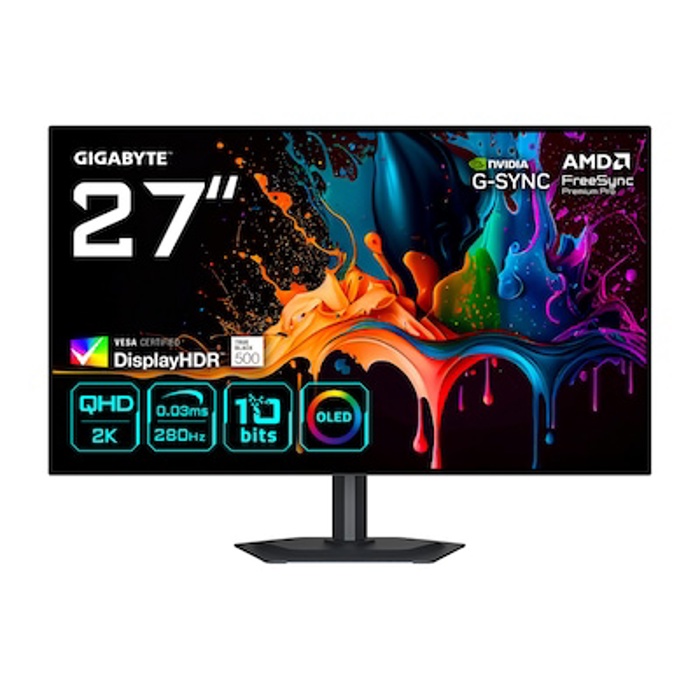
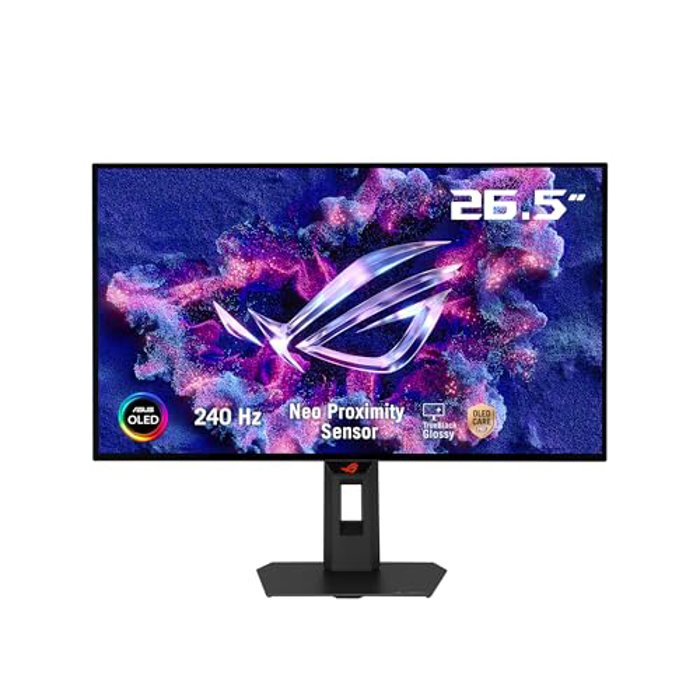
Compare GIGABYTE MO27Q28GR vs Asus VA32UQ

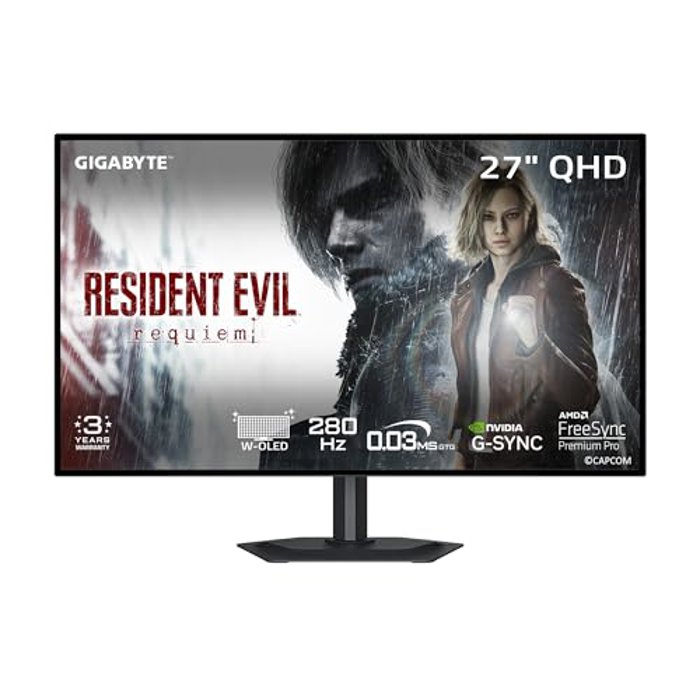
GIGABYTE MO27Q28GR and Asus VA32UQ are both monitors with the same Aspect Ratio (16:9), Viewing Angle (178° H x 178° V) and DisplayPort (1). The main differences are in Screen Size, Resolution, Pixel Density and Dot Pitch.
Save comparison
Prices
(Change region)
In Stock
$508.99
Last updated 27 minutes ago.
Prices
(Change region)
In Stock
* Pangoly may earn a commission when you use one of the links to make a purchase. (Disclosure)
* Product prices and availability are subject to change frequently. Any price and availability information displayed on Amazon at the time of purchase will apply.
Brand
GIGABYTE
Brand
ASUS
Model
  • MO27Q28GR
  • MO27Q28GR OLED
Model
  • VA32UQ
  • 90LM04W1-B011B0
Release Date
📅 January 2026
Release Date
📅 September 2019
* First availability for purchase, it may not correspond to the actual market launch date.
User reviews
User reviews
Price history
View Details ►
Price history
View Details ►
Screen Size
27"
Screen Size
31.5"
Resolution
2560 x 1440
Resolution
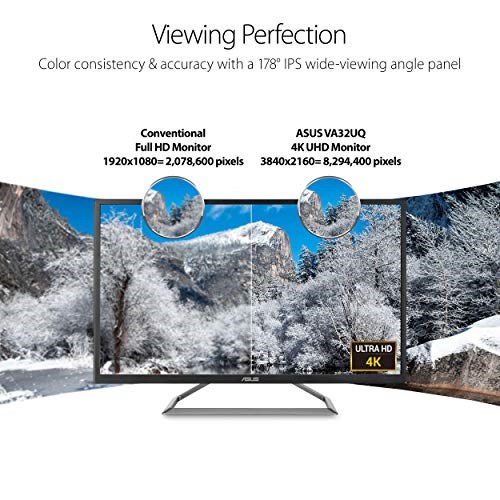
3840 x 2160
Pixel Density
108.79 PPI
Pixel Density
139.87 PPI
Dot Pitch
0.23 mm
Dot Pitch
0.18 mm
Panel Type
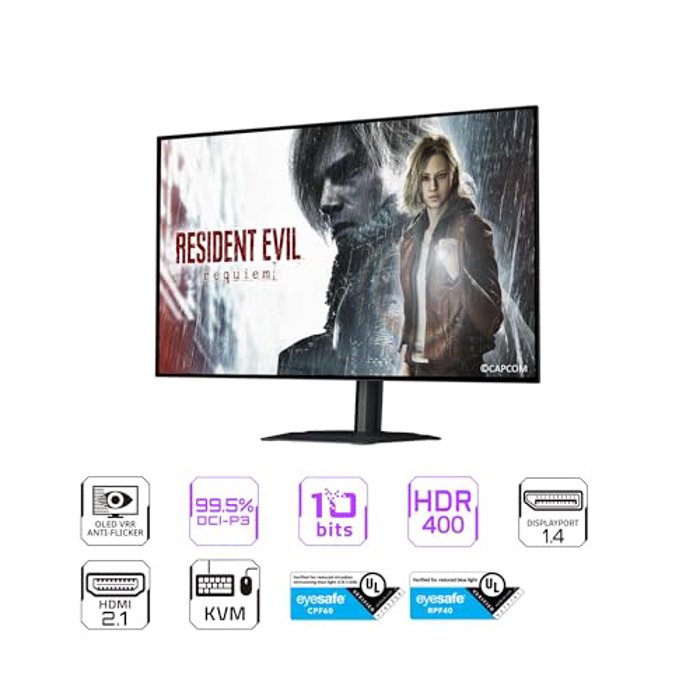
WOLED Tandem
Panel Type
VA
Widescreen
Yes
Widescreen
Yes
Aspect Ratio
16:9
Aspect Ratio
16:9
Curved Screen
No
Curved Screen
No
Viewing Angle
178° H x 178° V
Viewing Angle
178° H x 178° V
Brightness
335 cd/m²
Brightness
310 cd/m²
Response Time
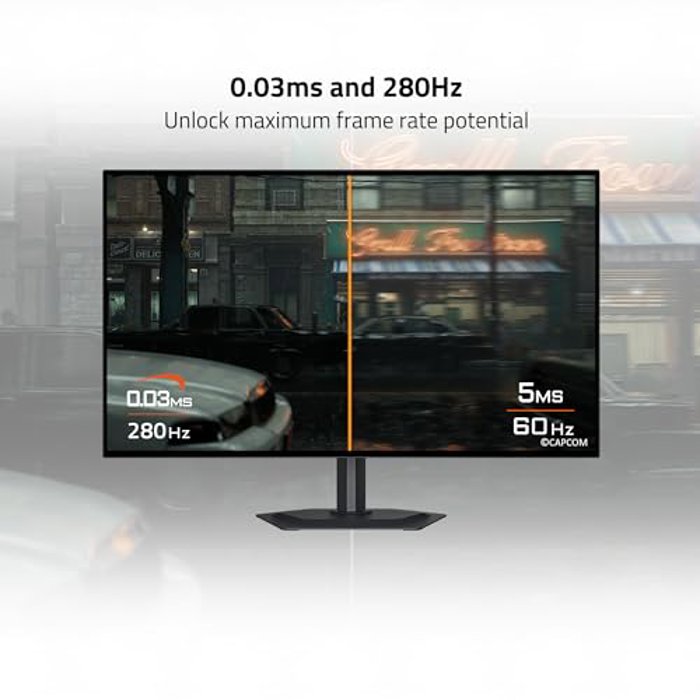
0.03 ms
Response Time
4 ms
Refresh Rate
280 Hz
Refresh Rate
60 Hz
Built-in Speakers
Yes
Built-in Speakers
Yes
DVI
0
DVI
0
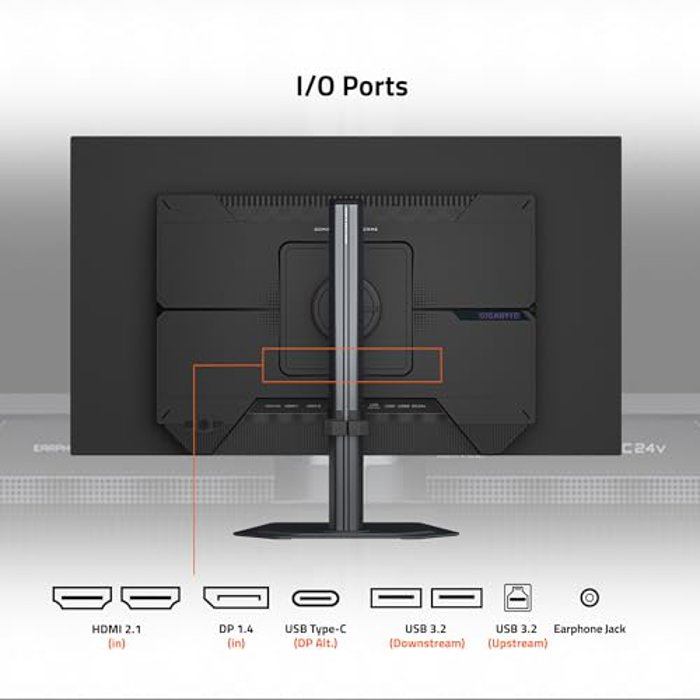
DisplayPort
1
DisplayPort
1
HDMI
2
HDMI
2
VGA
0
VGA
0
G-SYNC Support
Yes
G-SYNC Support
No
FreeSync Support
No
FreeSync Support
Yes
-

Comparison and key differences summary

Reasons to buy the GIGABYTE MO27Q28GR:

  • Newer Product, it was released around 6 years later
  • More brightness (+25 cd/m²)
  • Less response time (-3.97 ms)
  • Higher refresh rate (280 Hz)
  • Supports NVIDIA G-Sync

Buy now

Reasons to buy the Asus VA32UQ:

  • 31% cheaper, you can save $159.99
  • Bigger screen size (+4.50")
  • Higher Screen Resolution (3840 x 2160 pixel)
  • Better pixel density (139.87 PPI)
  • Supports AMD FreeSync

Buy now

Have you found incorrect information on this page? Contact us and we will fix it as soon as possible.

Trending comparisons (Monitors)

x