Compare Monitors

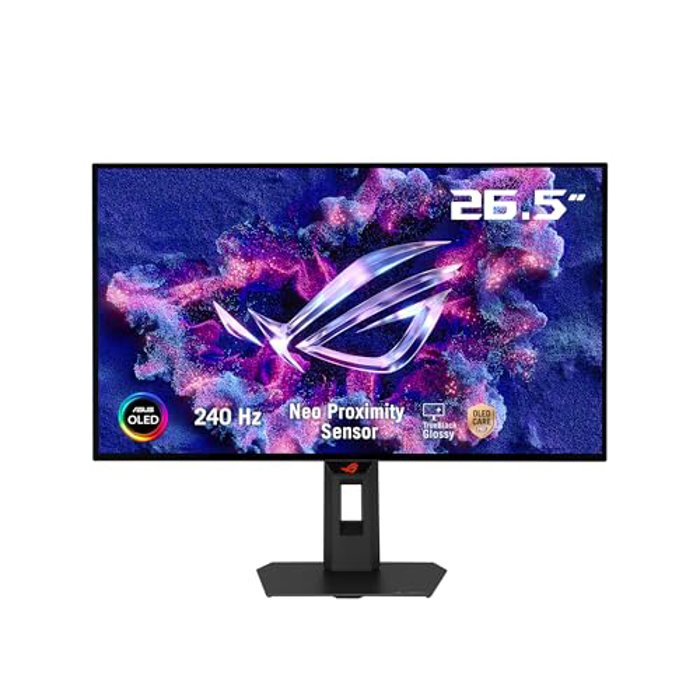
Compare Philips 288E2E vs ASUS ROG Strix OLED XG27UCDMG

Philips 288E2E and ASUS ROG Strix OLED XG27UCDMG are both monitors with the same Resolution (3840 x 2160), Aspect Ratio (16:9) and Viewing Angle (178° H x 178° V). The main differences are in Screen Size, Pixel Density, Dot Pitch and Panel Type.
Save comparison
Prices
(Change region)
Out of Stock
Free shipping
Prices
(Change region)
In Stock
$799.00
Last updated 7 minutes ago.
In Stock
Free shipping
In Stock
Show 2 more offers
* Pangoly may earn a commission when you use one of the links to make a purchase. (Disclosure)
* Product prices and availability are subject to change frequently. Any price and availability information displayed on Amazon at the time of purchase will apply.
Brand
Philips
Brand
ASUS
Model
  • 288E2E
  • 288E2E/27
Model
  • 90LM0B20-B01971
  • XG27UCDMG
  • ROG Strix OLED XG27UCDMG
  • 90LM0B20-B019B1
Release Date
📅 March 2021
Release Date
📅 August 2025
* First availability for purchase, it may not correspond to the actual market launch date.
User reviews
User reviews
Price history
View Details ►
Price history
View Details ►
Screen Size
28"
Screen Size
26.5"
Resolution
3840 x 2160
Resolution
3840 x 2160
Pixel Density
157.35 PPI
Pixel Density
166.26 PPI
Dot Pitch
0.16 mm
Dot Pitch
0.15 mm
Panel Type
IPS
Panel Type
QD-OLED
Widescreen
Yes
Widescreen
Yes
Aspect Ratio
16:9
Aspect Ratio
16:9
Curved Screen
No
Curved Screen
No
Viewing Angle
178° H x 178° V
Viewing Angle
178° H x 178° V
Brightness
300 cd/m²
Brightness
1000 cd/m²
Response Time
4 ms
Response Time
0.03 ms
Refresh Rate
60 Hz
Refresh Rate
240 Hz
Built-in Speakers
No
Built-in Speakers
No
DVI
0
DVI
0
DisplayPort
1
DisplayPort
1
HDMI
2
HDMI
2
VGA
0
VGA
0
G-SYNC Support
No
G-SYNC Support
Yes
FreeSync Support
Yes
FreeSync Support
Yes

Comparison and key differences summary

Reasons to buy the Philips 288E2E:

  • 52% cheaper, you can save $419.01
  • Bigger screen size (+1.50")

Buy now

Reasons to buy the ASUS ROG Strix OLED XG27UCDMG:

  • Newer Product, it was released around 5 years later
  • Better pixel density (166.26 PPI)
  • More brightness (+700 cd/m²)
  • Less response time (-3.97 ms)
  • Higher refresh rate (240 Hz)
  • Supports NVIDIA G-Sync

Buy now

Have you found incorrect information on this page? Contact us and we will fix it as soon as possible.

Trending comparisons (Monitors)

x