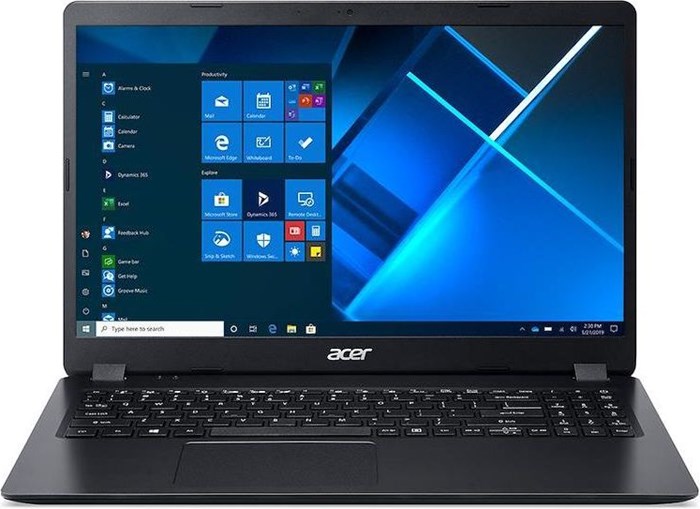
US site.
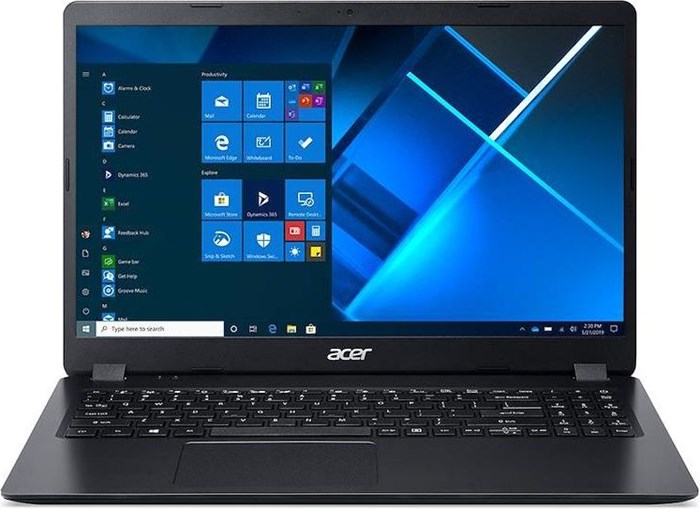
| Modello | NX.EG8ET.00Q |
| Processore | Intel i3-1005G1 |
| Core CPU | 2 |
| Frequenza CPU | 1200 MHz |
| Frequenza Turbo CPU | 3400 MHz |
| Dimensioni RAM | 4 GB |
| Tipo Memoria | DDR4 |
| Scheda Video | Intel UHD Graphics |
| Capacità SSD | 128 GB |
| Tipo SSD | PCI Express |
| Dimensioni Schermo | 15,6" |
| Risoluzione | 1920 x 1080 |
| Tipo Pannello | LCD |
| Refresh Rate | 60 Hz |
| Webcam Frontale | Sì |
| Dimensioni | 363.4 mm x 250.5 mm x 19.9 mm |
| Sistema Operativo | Windows 10 Pro |
| Peso | 1,9 Kg |
| Capacità Batteria | 36 Wh |
| Porte USB 2.0 | 2 |
| Porte USB 3.2 Gen 1 Type A | 1 |
| Porte Ethernet | 1 |
| Velocità Ethernet | 10,100,1000 Mbit/s |
| Porte HDMI | 1 |
| Generazione Wi-Fi | 5 |
(Più alto è meglio)
Le prestazioni single-thread dei laptop influiscono direttamente sulle attività quotidiane come la navigazione web, l'avvio delle app e il lavoro d'ufficio. Un punteggio più alto significa una maggiore reattività, operazioni sui file più veloci e un funzionamento più fluido delle applicazioni che si basano su un singolo core della CPU.
| Intel i7-10810U (6 Cores) | 103% | |
| Intel i7-10610U (4 Cores) | 103% | |
| Intel i7-10510U (4 Cores) | 103% | |
| AMD 2700 (8 Cores) | 102% | |
| Intel i7-8705G (4 Cores) | 102% | |
| Intel i5-1035G1 (4 Cores) | 101% | |
| Intel i7-8665U (4 Cores) | 101% | |
| Intel i5-1035G7 (4 Cores) | ~ | |
| Intel i5-1035G4 (4 Cores) | ~ | |
| AMD 3700C (4 Cores) | ~ | |
| Intel i3-1005G1 (2 Cores) | 100% | |
| Intel i3-10110U (2 Cores) | 99% | |
| Intel i7-7660U (2 Cores) | 99% | |
| Intel i5-10210U (4 Cores) | 98% | |
| Intel i5-10310U (4 Cores) | 98% | |
| Intel i7-8565U (4 Cores) | 98% | |
| Intel i7-8650U (4 Cores) | 98% | |
| Intel i3-8145U (2 Cores) | 96% | |
| Intel i5-8365U (4 Cores) | 96% | |
| AMD 3750H (4 Cores) | 96% | |
| Intel i7-7700HQ (4 Cores) | 95% |
(Più alto è meglio)
Le prestazioni multi-thread determinano la capacità di un laptop di gestire carichi di lavoro impegnativi come l'editing video, il rendering 3D, la compilazione di codice e l'esecuzione simultanea di più applicazioni. Un punteggio più alto significa tempi di esportazione più rapidi, creazione di contenuti più fluida e una migliore produttività complessiva in caso di carichi di lavoro paralleli pesanti.
| Intel i7-8565U (4 Cores) | 123% | |
| Intel i5-8365U (4 Cores) | 123% | |
| Intel i5-10310U (4 Cores) | 123% | |
| AMD 3500C (4 Cores) | 122% | |
| Intel i3-1115G4 (2 Cores) | 121% | |
| Intel i5-8250U (4 Cores) | 120% | |
| Intel i5-8265U (4 Cores) | 120% | |
| Intel i7-8550U (4 Cores) | 120% | |
| Intel N100 (4 Cores) | 111% | |
| Intel 7505 (2 Cores) | 107% | |
| Intel i3-1005G1 (2 Cores) | 100% | |
| Intel N200 (4 Cores) | 95% | |
| Intel i7-7660U (2 Cores) | 83% | |
| Intel i3-1110G4 (2 Cores) | 81% | |
| AMD 4980U (8 Cores) | 81% | |
| Intel i3-10110U (2 Cores) | 79% | |
| Intel i3-8145U (2 Cores) | 78% | |
| AMD 3200U (2 Cores) | 77% | |
| AMD 3250U (2 Cores) | 76% | |
| Intel i7-7500U (2 Cores) | 75% | |
| Intel i5-7300U (2 Cores) | 75% |