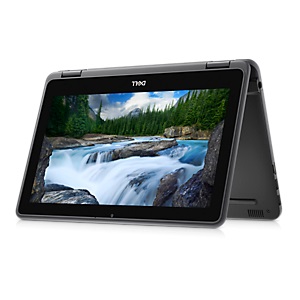
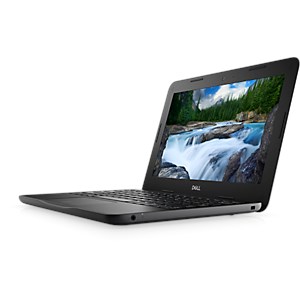
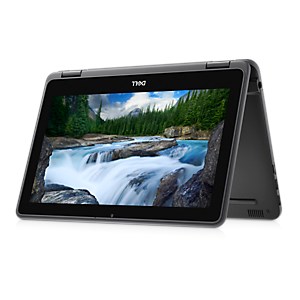
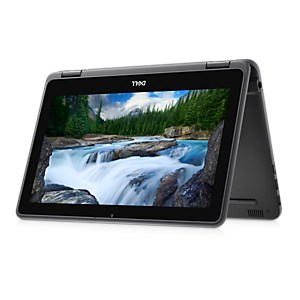
| Model | BTO006L319011US |
| CPU | Intel N5000 |
| CPU Cores | 4 |
| CPU Clock Rate | 1100 MHz |
| CPU Turbo Clock Rate | 2700 MHz |
| RAM Size | 8 GB |
| Memory Type | LPDDR4 |
| GPU | Intel UHD Graphics 605 |
| SSD Capacity | 128 GB |
| Screen Size | 11.6" |
| Resolution | 1366 x 768 |
| Refresh Rate | 60 Hz |
| Front Camera | Yes |
| Front Camera Resolution | HD |
| Dimensions | 303.3 mm x 206 mm x 20.8 mm |
| Operating System | Windows 10 Pro |
| Weight | 1.27 Kg |
| Battery Capacity | 42 Wh |
| USB 3.2 Gen 1 Type A Ports | 2 |
| HDMI Ports | 1 |
| HDMI Version | 1.4 |
| Wi-Fi Generation | 5 |
(Higher is better)
Single-thread laptop performance directly affects everyday tasks like web browsing, app launching, and office work. A higher score means snappier responsiveness, faster file operations, and smoother in applications that rely on a single CPU core.
| Intel i3-7020U (2 Cores) | 115% | |
| AMD 3015e (2 Cores) | 115% | |
| Intel 4417U (2 Cores) | 114% | |
| Intel 4305U (2 Cores) | 114% | |
| Intel 5405U (2 Cores) | 113% | |
| Intel N4500 (2 Cores) | 113% | |
| Intel N5030 (4 Cores) | 107% | |
| Intel 6305 (2 Cores) | 104% | |
| Intel i5-480M (2 Cores) | 101% | |
| Intel N4020 (2 Cores) | ~ | |
| Intel N5000 (4 Cores) | 100% | |
| Intel i5-460M (2 Cores) | 99% | |
| AMD PRO A10-8730B (4 Cores) | 99% | |
| Intel 5205U (2 Cores) | 95% | |
| Intel N4120 (4 Cores) | 94% | |
| AMD A4-9120 (2 Cores) | 94% | |
| Intel N4000 (2 Cores) | 92% | |
| AMD A4-9125 (2 Cores) | 91% | |
| Intel 4205U (2 Cores) | 90% | |
| Intel N4100 (4 Cores) | 89% | |
| AMD A6-9220C (2 Cores) | 88% |
(Higher is better)
Multi-thread performance determines how well a laptop handles demanding workloads like video editing, 3D rendering, compiling code, and running multiple applications simultaneously. A higher score means faster export times, smoother content creation, and better overall productivity under heavy parallel workloads.
| AMD 3050U (2 Cores) | 113% | |
| Intel N6000 (4 Cores) | 113% | |
| Intel 6500Y (2 Cores) | 112% | |
| AMD 3150C (2 Cores) | 112% | |
| AMD 3050C (2 Cores) | 111% | |
| Intel m3-8100Y (2 Cores) | 106% | |
| Intel i7-10750H (6 Cores) | 105% | |
| Intel i5-8210Y (2 Cores) | 105% | |
| AMD A12-9800B (4 Cores) | 104% | |
| AMD 3015e (2 Cores) | 101% | |
| Intel N5000 (4 Cores) | 100% | |
| MediaTek MT8183 (8 Cores) | 99% | |
| Intel i3-7020U (2 Cores) | 99% | |
| AMD 4680U (6 Cores) | 98% | |
| Intel Celeron 7305 (5 Cores) | 98% | |
| Intel i7-7Y75 (2 Cores) | 97% | |
| Intel N5030 (4 Cores) | 97% | |
| Intel i7-4500U (2 Cores) | 96% | |
| Intel m3-7Y30 (2 Cores) | 94% | |
| Intel N4100 (4 Cores) | 94% | |
| Intel N4120 (4 Cores) | 94% |
(Higher is better)
Rasterization is the traditional rendering technique used by most games to convert 3D scenes into the pixels you see on screen. A higher laptop GPU rasterization score translates to smoother frame rates, the ability to play at higher resolutions and support for more demanding graphics settings, directly impacting how enjoyable and visually rich your gaming experience will be.
|
NVIDIA GeForce MX350
|
900% | |
|
Intel Iris Xe Graphics
|
700% | |
|
AMD Radeon 740M
|
700% | |
|
NVIDIA GeForce MX250
|
700% | |
|
Intel Iris Plus Graphics
|
450% | |
|
NVIDIA GeForce MX130
|
450% | |
|
NVIDIA GeForce MX110
|
300% | |
|
AMD Radeon R7
|
300% | |
|
Intel UHD Graphics 620
|
250% | |
|
AMD Radeon 520
|
250% | |
|
Intel UHD Graphics 605
|
100% | |
|
Intel UHD Graphics 600
|
50% |