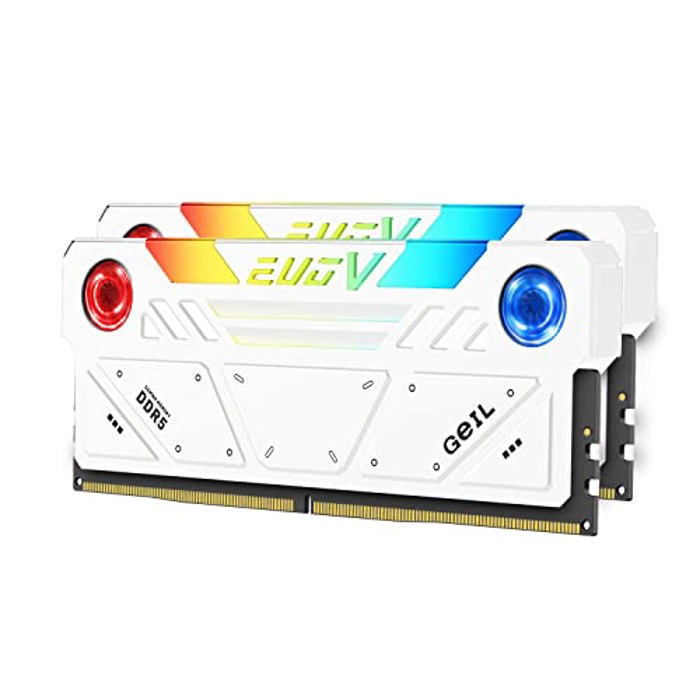
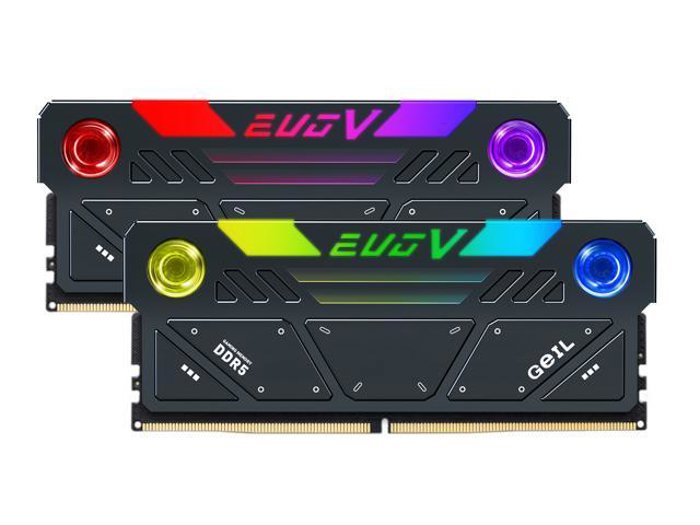
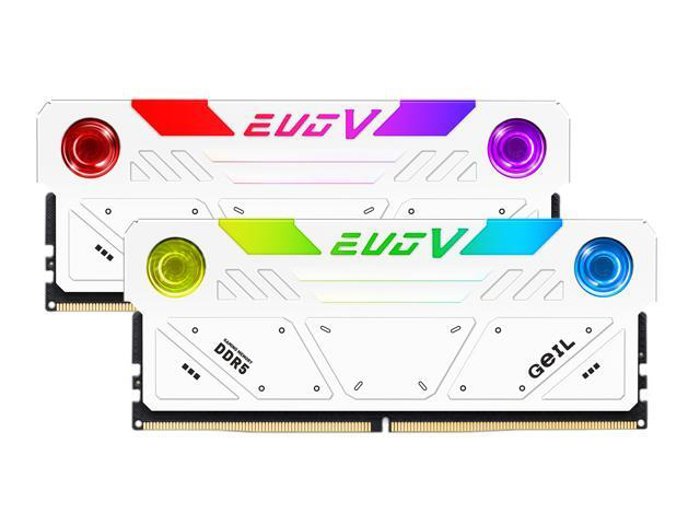
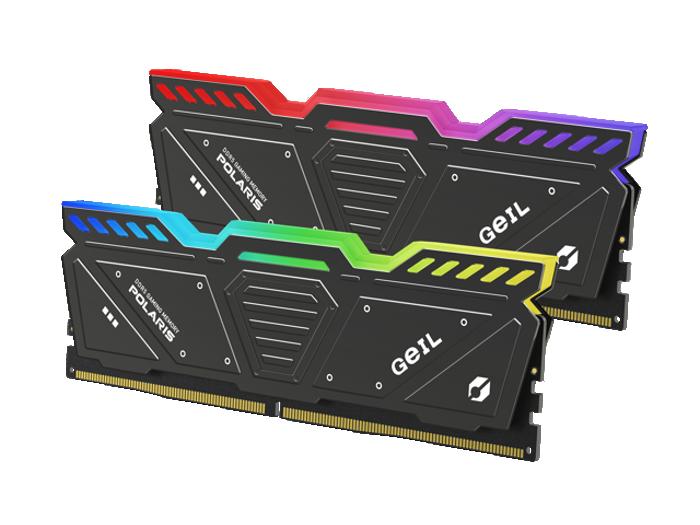
GeIL EVO V RGB 32GB (2x16GB) DDR5 8000MHz

Are you visiting from United States? Go to the United States US site.
GeIL EVO V RGB 32GB (2x16GB) DDR5 8000MHz 1.45V GESG532GB8000C38ADC

GeIL EVO V RGB 32GB (2x16GB) DDR5 8000MHz 1.45V GESG532GB8000C38ADC

★★★★★
(4 recensioni)
Venditore Prezzo Compra
-
Compra

* Pangoly potrebbe guadagnare una commissione quando utilizzi uno dei link per effettuare un acquisto. (Disclosure)

* I prezzi dei prodotti e la disponibilità sono soggetti a modifiche frequenti. Verranno applicate tutte le informazioni su prezzi e disponibilità visualizzate su Amazon al momento dell'acquisto.
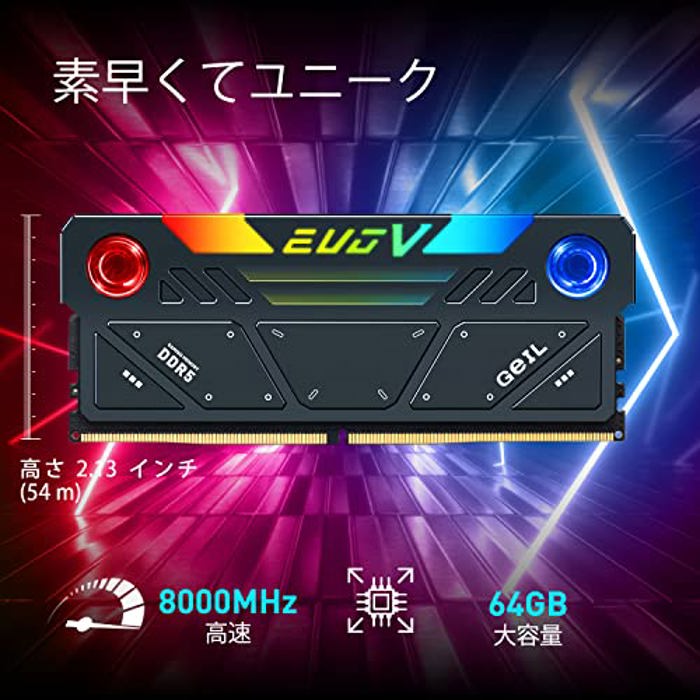
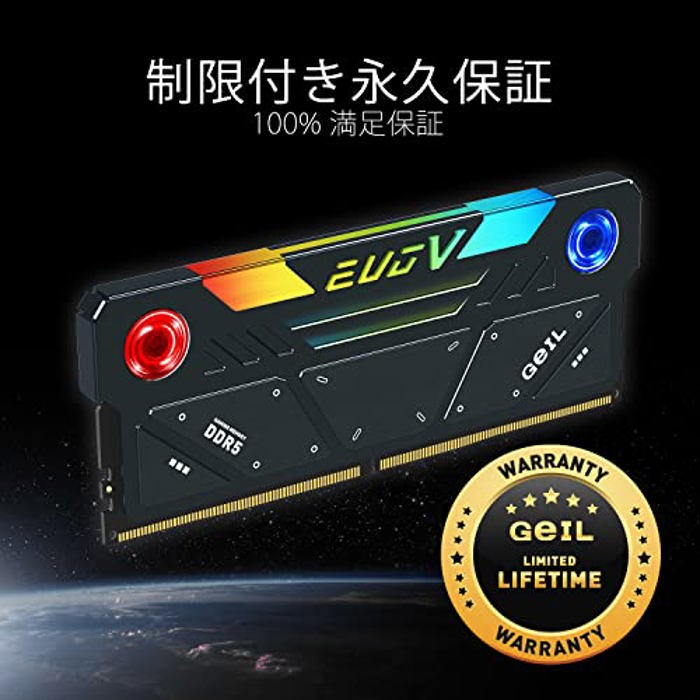
  • [Active Dual Fan Cooling System] Exclusive technology patented EVO V memory modules featuring the active dual fan cooling system which rapidly takes the heat away assure users of the long-term stability and reliability it can effectively solve the influence caused by the high temperature of the working environment of the memory.
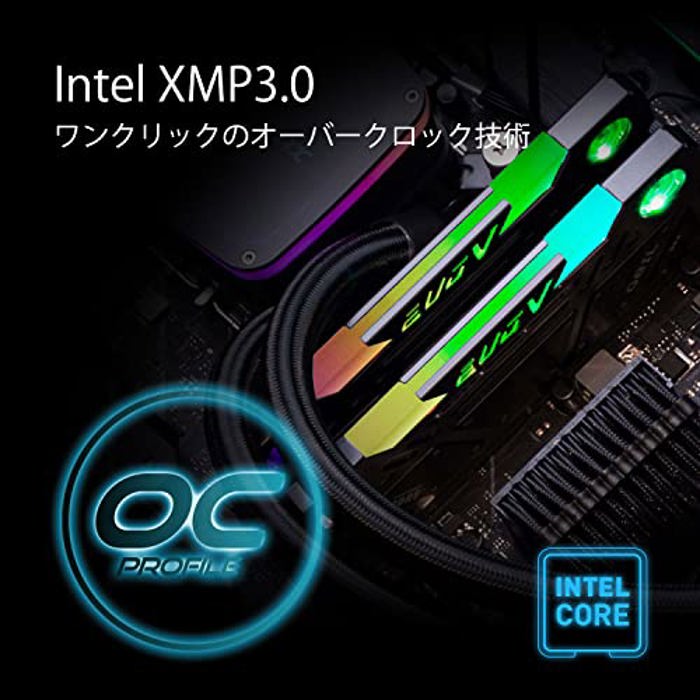
  • [Power on Speed up] GeIL's next-generation EVO V RGB memory continuing the classic design of the EVO series not only reduces the power improve efficiency, but also bring more capacity, higher speed, Supports Intel XMP 3.0 8000MHz / AMD EXPO 6400 MHz Compatible for one-click overclocking.
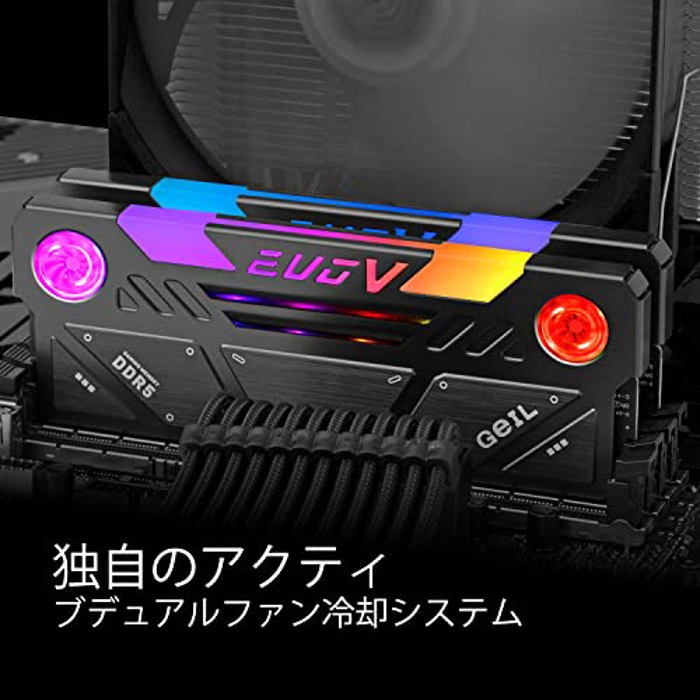
  • [Exclusive Optimized RGB Illumination Design] Stunning RGB Lighting LEDs feature extremely stunning and vibrant lighting colors. Support ASUS Aura Sync, ASRock Polychrome, Gigabyte RGB Fusion 2.0 and MSI Mystic Light, easily connected to the same lighting control software with your motherboard.
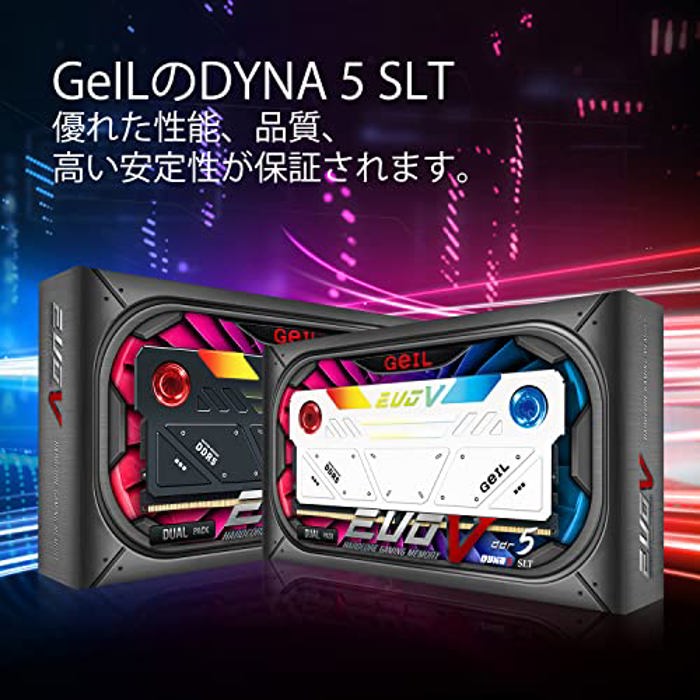
  • [PATENT TESTING] GeIL's DYNA 5 SLT exceptional patent screening technology ensures that each IC is rigorously tested to guarantee outstanding performance, remarkable quality, and high stability.

Scheda tecnica

Modello GESG532GB8000C38ADC
Tipo 288-pin DDR5 DIMM
Frequenza DDR5-8000 MHz
Dimensioni 32GB (2 x 16GB)
Latenza CAS 38
Timing 38-48-48-100
Latenza First Word 9,5 ns
Voltaggio 1,45 V
Dissipatore
Supporto ECC No
Colore Grigio
Colore LED RGB

Tabella latenza RAM First Word (nanosecondi)

La latenza si misura in nanosecondi ed è una combinazione di frequenza e CAS. Sia l'aumento della frequenza che la diminuzione della latenza comportano migliori prestazioni del sistema (a parità di latenza, preferire sempre una frequenza più alta, se possibile).

Frequenza (MT/s)

6600 6800 7000 7200 7400 7600 7800 8000 8200 8400 8800 9000 9600
32 9,70 9,41 9,14 8,89 8,65 8,42 8,21 8,00 7,80 7,62 7,27 7,11 6,67
33 10,00 9,71 9,43 9,17 8,92 8,68 8,46 8,25 8,05 7,86 7,50 7,33 6,88
34 10,30 10,00 9,71 9,44 9,19 8,95 8,72 8,50 8,29 8,10 7,73 7,56 7,08
35 10,61 10,29 10,00 9,72 9,46 9,21 8,97 8,75 8,54 8,33 7,95 7,78 7,29
36 10,91 10,59 10,29 10,00 9,73 9,47 9,23 9,00 8,78 8,57 8,18 8,00 7,50
37 11,21 10,88 10,57 10,28 10,00 9,74 9,49 9,25 9,02 8,81 8,41 8,22 7,71
38 11,52 11,18 10,86 10,56 10,27 10,00 9,74 9,50 9,27 9,05 8,64 8,44 7,92
39 11,82 11,47 11,14 10,83 10,54 10,26 10,00 9,75 9,51 9,29 8,86 8,67 8,13
40 12,12 11,76 11,43 11,11 10,81 10,53 10,26 10,00 9,76 9,52 9,09 8,89 8,33
41 12,42 12,06 11,71 11,39 11,08 10,79 10,51 10,25 10,00 9,76 9,32 9,11 8,54
42 12,73 12,35 12,00 11,67 11,35 11,05 10,77 10,50 10,24 10,00 9,55 9,33 8,75
43 13,03 12,65 12,29 11,94 11,62 11,32 11,03 10,75 10,49 10,24 9,77 9,56 8,96
44 13,33 12,94 12,57 12,22 11,89 11,58 11,28 11,00 10,73 10,48 10,00 9,78 9,17
45 13,64 13,24 12,86 12,50 12,16 11,84 11,54 11,25 10,98 10,71 10,23 10,00 9,38
46 13,94 13,53 13,14 12,78 12,43 12,11 11,79 11,50 11,22 10,95 10,45 10,22 9,58
47 14,24 13,82 13,43 13,06 12,70 12,37 12,05 11,75 11,46 11,19 10,68 10,44 9,79
48 14,55 14,12 13,71 13,33 12,97 12,63 12,31 12,00 11,71 11,43 10,91 10,67 10,00
49 14,85 14,41 14,00 13,61 13,24 12,89 12,56 12,25 11,95 11,67 11,14 10,89 10,21
50 15,15 14,71 14,29 13,89 13,51 13,16 12,82 12,50 12,20 11,90 11,36 11,11 10,42
51 15,45 15,00 14,57 14,17 13,78 13,42 13,08 12,75 12,44 12,14 11,59 11,33 10,63
52 15,76 15,29 14,86 14,44 14,05 13,68 13,33 13,00 12,68 12,38 11,82 11,56 10,83
CAS (clock cycles) Latenze più basse corrispondono a memorie più veloci.

Distribuzione delle latenze first word per moduli RAM simili

L'istogramma qui sotto mostra la distribuzione delle latenze first word (in nanosecondi) per tutti i moduli RAM dello stesso tipo DDR e frequenza presenti nel nostro database. Ogni barra rappresenta il numero di moduli che rientrano in un determinato intervallo di latenza. La barra evidenziata indica la latenza del modulo RAM attualmente selezionato.

Alternative più economiche con prestazioni migliori o uguali

-0,17ns Latenza

-0,17ns Latenza

-0,06ns Latenza


Confronta GeIL EVO V RGB 32GB (2x16GB) DDR5 8000MHz con Memorie simili

Guarda altri confronti ►

x